
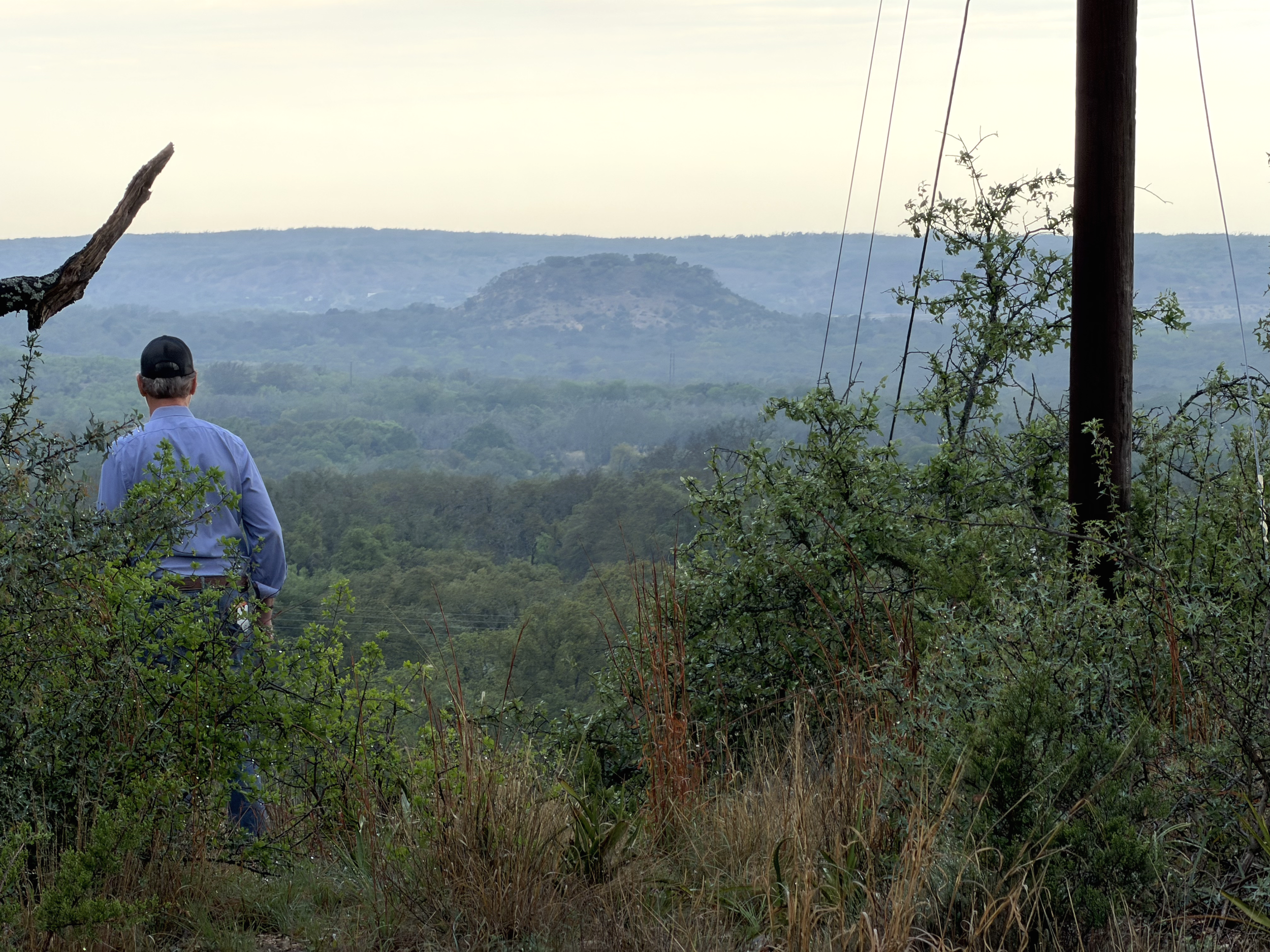
Experiential Therapy Through Equine-Assisted and Outdoor Work in the Texas Hill Country
Sometimes the best conversations happen when nobody is sitting across from each other.
Many children, adolescents, and even adults struggle to talk openly in a traditional office setting.
You may have noticed:
Your child gives one-word answers in therapy
Your teenager shuts down when difficult topics come up
Conversations quickly become tense or defensive
Your child seems more comfortable talking while doing something
Traditional therapy has not created the progress you hoped for
For some people, movement, activity, nature, and shared experiences create a more natural path toward connection and growth.
Experiential therapy uses carefully structured activities to help clients engage in the therapeutic process in a way that often feels less pressured and more authentic.
Many experiential therapy sessions take place in the Texas Hill Country, where the environment itself becomes part of the work.
Who Experiential Therapy May Help
Experiential therapy may be a good fit if:
Your child struggles to engage in traditional office-based therapy
Your teenager is reluctant to talk about difficult experiences
You want to strengthen connection with your child
Your family feels stuck in the same patterns and conversations
You are looking for a different approach after limited success with traditional therapy
Your child learns and communicates more through experience than conversation
Every person is different.
The goal is not to replace traditional therapy.
The goal is to find the approach that gives your child the greatest opportunity to engage, communicate, and grow.

Why Experiential Therapy Works
My background includes a Bachelor's degree in Physical Education, which continues to influence my appreciation for experiential and activity-based approaches to growth and learning.
Many people find it easier to talk while walking a trail, interacting with a horse, or engaging in an activity than sitting face-to-face in an office.
The activity creates space.
The pressure to "say the right thing" often decreases.
Patterns that are difficult to see in conversation become easier to observe in real time.
Experiential therapy can help clients develop emotional awareness, improve communication, build confidence, strengthen trust and connection, practice emotional regulation, and explore challenges from a different perspective.
The activity creates opportunities for meaningful therapeutic work that may be difficult to access through conversation alone.

Experiential Therapy Options
Equine-Assisted Therapy
Working with horses often reveals patterns involving trust, communication, boundaries, confidence, frustration, and emotional regulation.
No horse experience is necessary.
Many clients are surprised by how quickly important themes emerge through these interactions.
Outdoor Therapy
Some conversations happen more naturally while walking a trail than sitting in an office.
Outdoor therapy combines movement, reflection, and conversation in a setting that many clients find calming, engaging, and less intimidating.
How Experiential Therapy Fits Into Treatment
Many families first contact Stewart Counseling because they are dealing with:
Parent-child relationship difficulties
High-conflict family transitions
Reunification concerns
Behavioral challenges
Emotional struggles in children or adolescents
Experiential therapy can be used as a standalone service or integrated into court-involved therapy, reunification therapy, and family therapy.
The focus remains on your goals.
Experiential therapy simply provides another pathway toward connection, insight, and growth.
Interested in Experiential Therapy?
If you are wondering whether your child, teenager, or family might benefit from experiential therapy, let's discuss your situation and determine whether this approach is a good fit.
Frequently Asked Questions
-
Experiential therapy uses structured activities and experiences to support emotional growth, communication, self-awareness, and relationship development.
-
No. Experiential therapy can be beneficial for children, adolescents, adults, couples, and families.
-
Yes. Experiential therapy is often integrated into broader treatment plans when it supports the goals of therapy.